Queen Anne
-
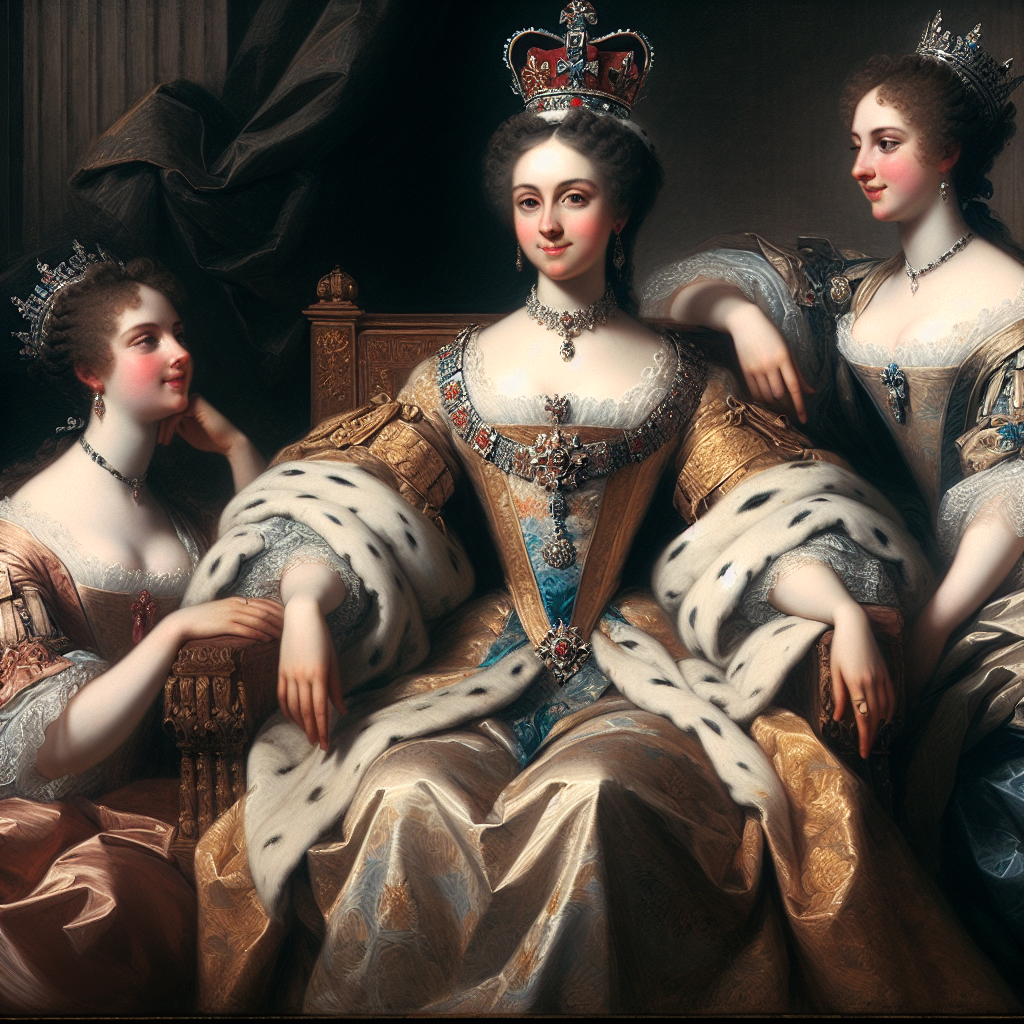
It's been a while since the last #EuropeanBios entry, because I really wanted to give our subject, Queen Anne of England, the time she truly deserves. A forceful, ruthless wielder of power who unified Great Britain, she was also just the most lesbian lesbian who ever lesbianned.
-
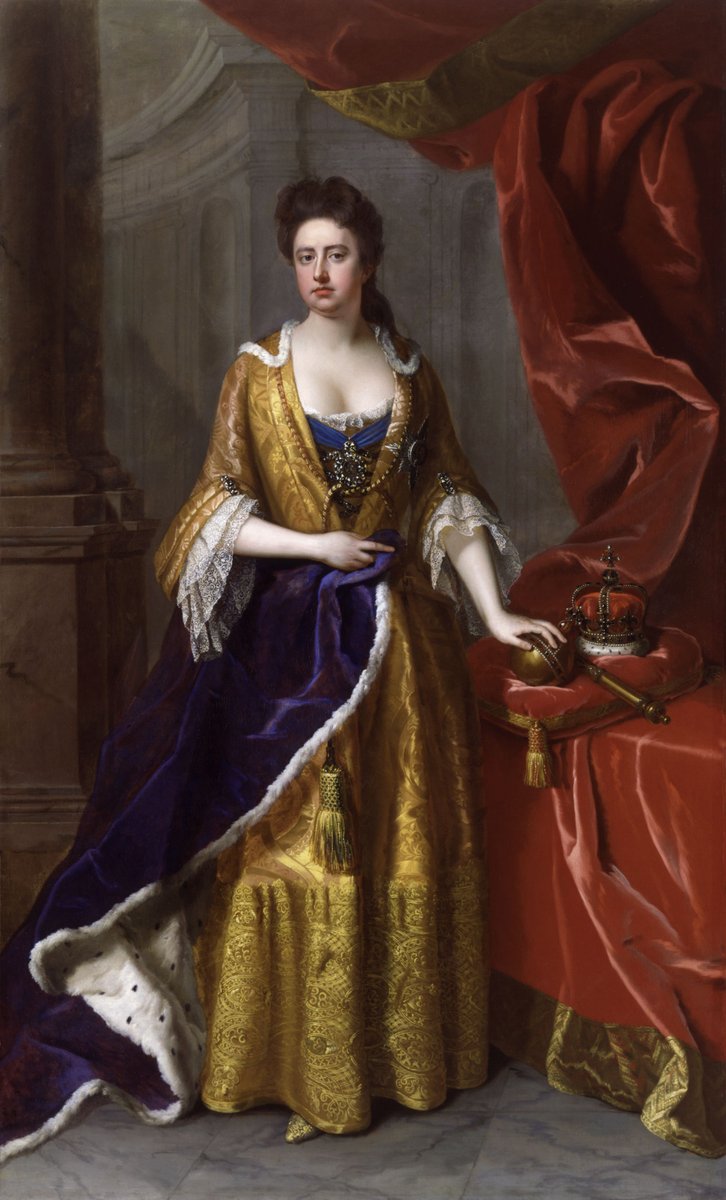
Portrait of Queen Anne by Michael Dahl, ca. 1705 Michael Dahl, ca. 1705, public domain -
Anne was the subject to the movie The Favorite, which was excellent and did not shy away from the lesbian thing by any means but, amazingly, still manages to under-state the degree to which the queen of England was engaged essentially 100% of the time in pursuing other women.
-
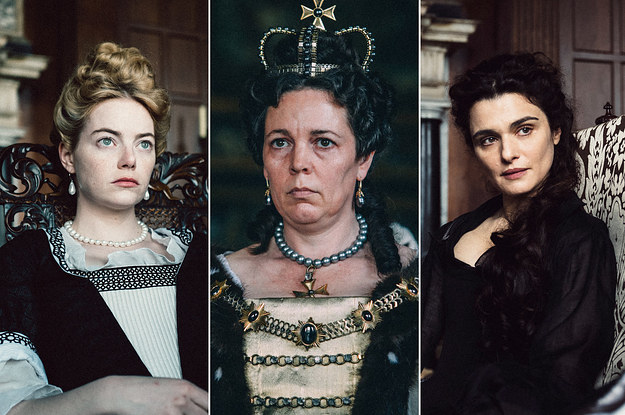
Emma Stone, Olivia Colman, and Rachel Weisz in The Favourite (2018) The Favourite (2018), courtesy of Element Pictures/Film4 -
Because reply-guys are tiresome I must include the usual disclaimer that sexuality is a fluid and complicated thing, that lesbian identity is a relatively modern cultural construct, and that Anne certainly didn't call herself a lesbian or queer, but also: she definitely was.
-
Anne was born in 1665 to James 2 of England, he being the grandson of our previous subject, Mary Queen of Scots, whose family the Stuarts had been ruling both England and Scotland since Elizabeth 1 had died.
-
Anne's parents would have preferred a boy, as royalty always wanted male heirs. In a letter informing her of Anne's birth, her uncle wrote to his sister wishing a quick delivery of her own baby but if the delivery was not quick, "a boy will recompense two grunts more".
-
Anne was not a healthy child and was sickly all her life. She was at the time believed to have gout, but modern research suggests it was more likely lupus, or a disease called "antiphospholipid syndrome" aka "sticky blood", not identified until 1983.
-
She was also described as having eye problems of various kinds, which gave her a squint and also an expression often mistaken for bad temper, for which she apologized in various letters. This may be history's first recorded instance of Resting Bitch Face.
-
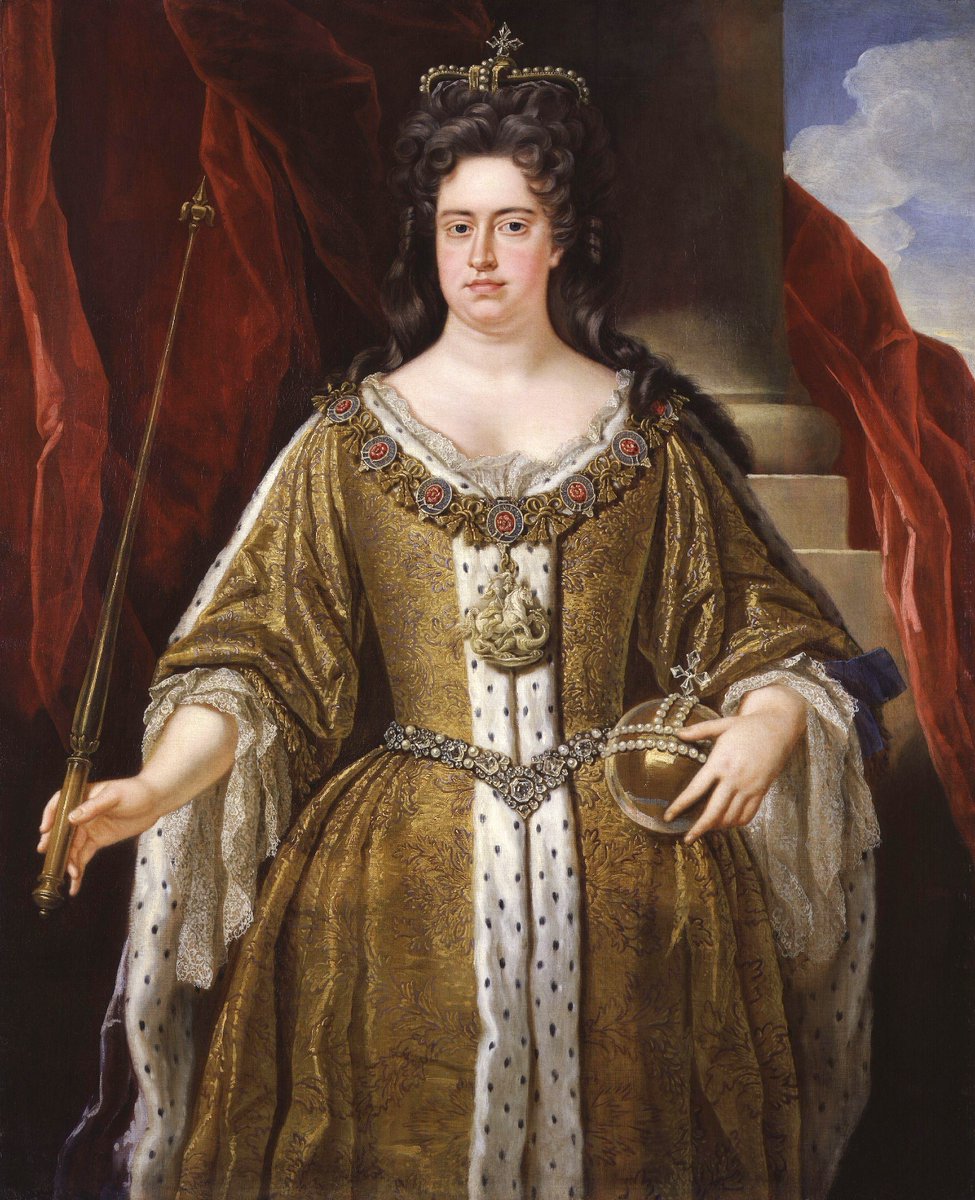
Portrait of Queen Anne in coronation robes, ca. 1702 Portrait of Queen Anne, ca. 1702, public domain -
Not much was expected of Anne when she was born, since with two brothers and an older sister she was highly unlikely to become queen. As a result, her education was neglected, something she regretted and tried to compensate for later in life.
-
However, nearly all of Anne's siblings died very young, leaving her third in line to the throne after her father and her older sister Mary until, when she was 23, her father had a new son, James, with his second wife after Anne's mother (also called Anne) died.
-
Lots of political drama in Anne's life surrounds the succession but I want to get to the lesbians so I'm going to summarize it as quickly as I can. First: Anne's father James was Catholic, and as you'll recall from covering Elizabeth 1, this was unpopular.
-
James was king only for 3 extremely tumultuous years, during which parliament kept trying to force him to do things and he kept dissolving parliament to prevent them doing so. This led to his overthrow in the Glorious Revolution and replacement by his (protestant) daughter Mary.
-
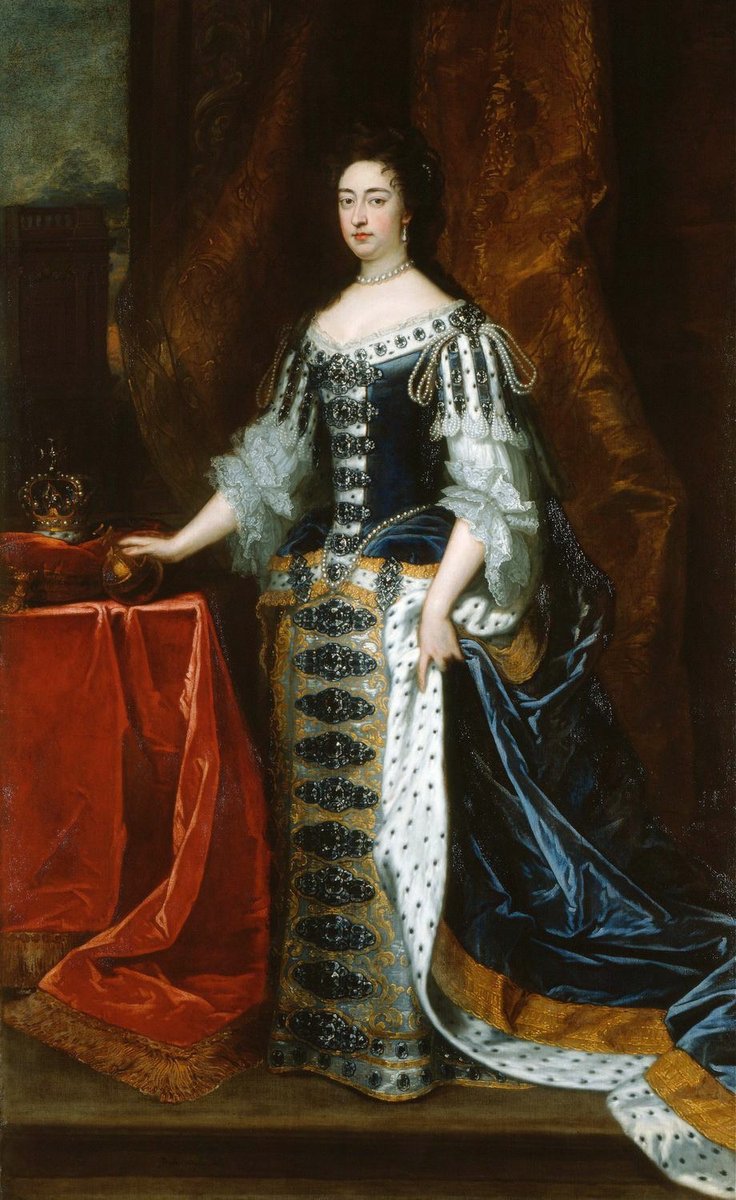
Portrait of Queen Mary II, ca. 1690 Portrait of Queen Mary II, ca. 1690, public domain -
Part of the spur for the Glorious Revolution was that James's daughters Mary and our Anne were protestant, so the nobles didn't mind that James was temporarily a catholic king. But in 1688 he had a son and he looked likely to be raised catholic, and this was too much for them.
-
Instead Mary was put in place with her husband William, a dutch noble also known as William of Orange (after the region of Orange in France, of which he was hereditary lord). Mary was very traditional and gave all her royal power to her husband, so he became king after she died.
-
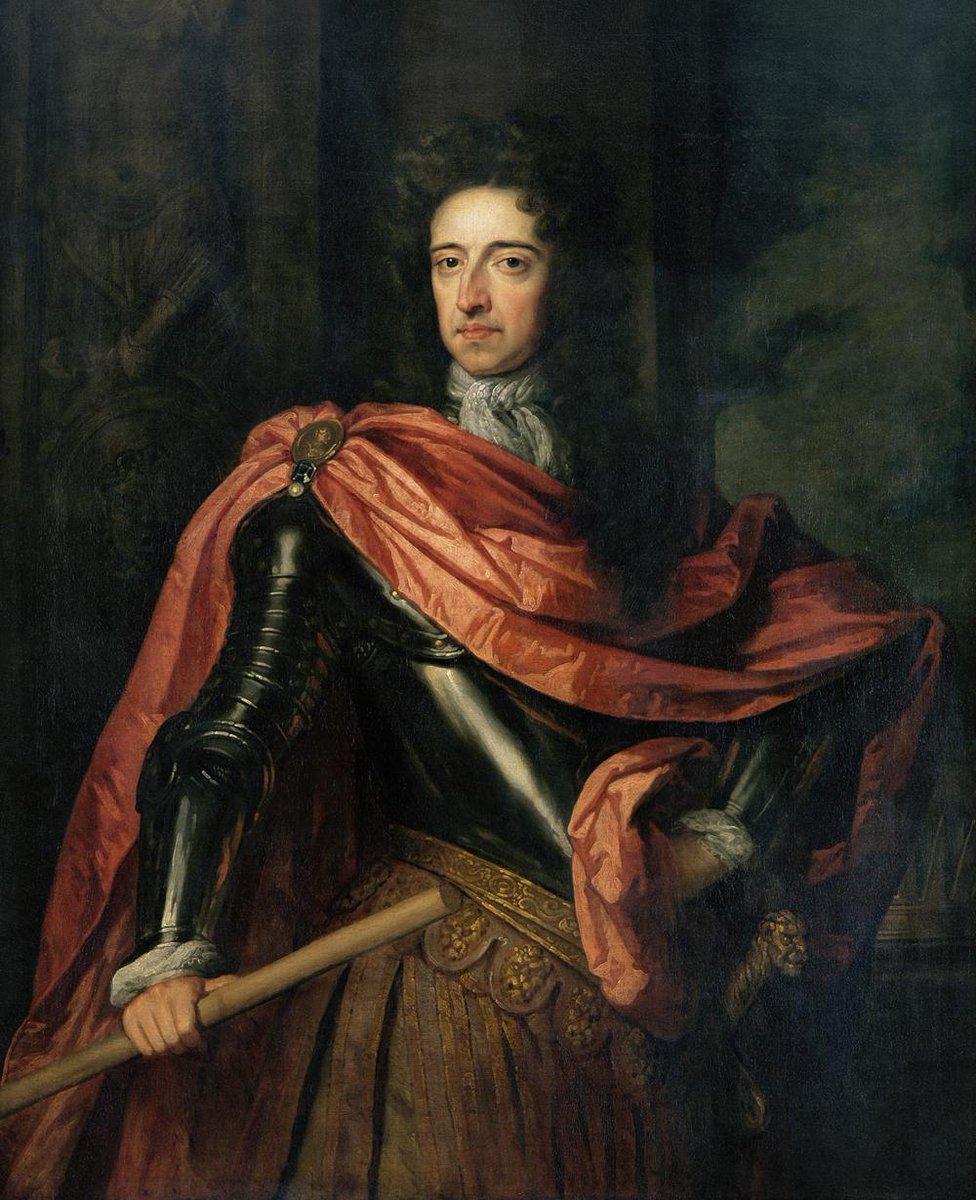
Portrait of William III of Orange by Godfrey Kneller, ca. 1690 Godfrey Kneller, ca. 1690, public domain -
(Side note: I had William of Orange on the European Bios timeline to do as a whole separate thread but he turns out to have been extremely dull and basically a side-character to Mary's story, herself overshadowed by Anne's delightfully dramatic life, so I skipped him)
-
William himself then died in 1702. This could have caused a succession crisis, since James's son James (the catholic one) would normally have been next in line ahead of Anne. But this crisis was cunningly side-stepped by everyone claiming that James was not who he said he was.
-
The groundwork for this was laid before James was even born, with Anne clearly in on it from the start. Anne, then 23, arranged to be out of town at the time of her brother's birth, meaning she could not witness the birth (as was normal at the time to prove parentage).
-
This allowed Anne to pretend she had doubts as to the paternity of her brother, which with cold-hearted calculation she claimed to do for his entire life. Of course, there were numerous other noble witnesses to James' birth, who had indeed seen him emerge from his mother.
-
To get around these other witnesses to his birth, the faction who didn't want a catholic on the throne claimed the "real" James had died as a baby and been replaced by a stolen child. To further muddy the waters, some claimed the baby had died and been replaced 2 or 3 times.
-
Thus James, almost certainly the legitimate son of the legitimate king, was known forever as The Pretender. Anne wholeheartedly subscribed to this lie about her own father and brother, because it made her queen and she very, very much wanted to be queen.
-
James the father and James the Pretender both made numerous attempts to regain the throne in Anne's lifetime and recounting them takes up a great deal of time in her biography, but none of them worked so they are irrelevant and I will almost entirely ignore them.
-
Anne managed to keep in her father's good graces despite actively participating in his overthrow. James, furious with Mary, nevertheless believed Anne to be a faithful daughter. His supporters were unconvinced, describing them as "both bitches by god". Okay. Now for lesbians.
-
As a girl, Anne starred in a play, Callisto, taking the role of a man. Some note was made of the enthusiasm with which she threw herself into the role, which involved seducing another woman. She was coached by a famous actor, training she used later as queen to give speeches.
-
As teenagers, both Anne and her sister Mary developed what her biographer wishfully calls "school girl crushes" on Frances Apsley, one of their maids of honor. In letters, both girls adopted male personas and expressed steamingly hot passion for the 22 year old. A sample:
-
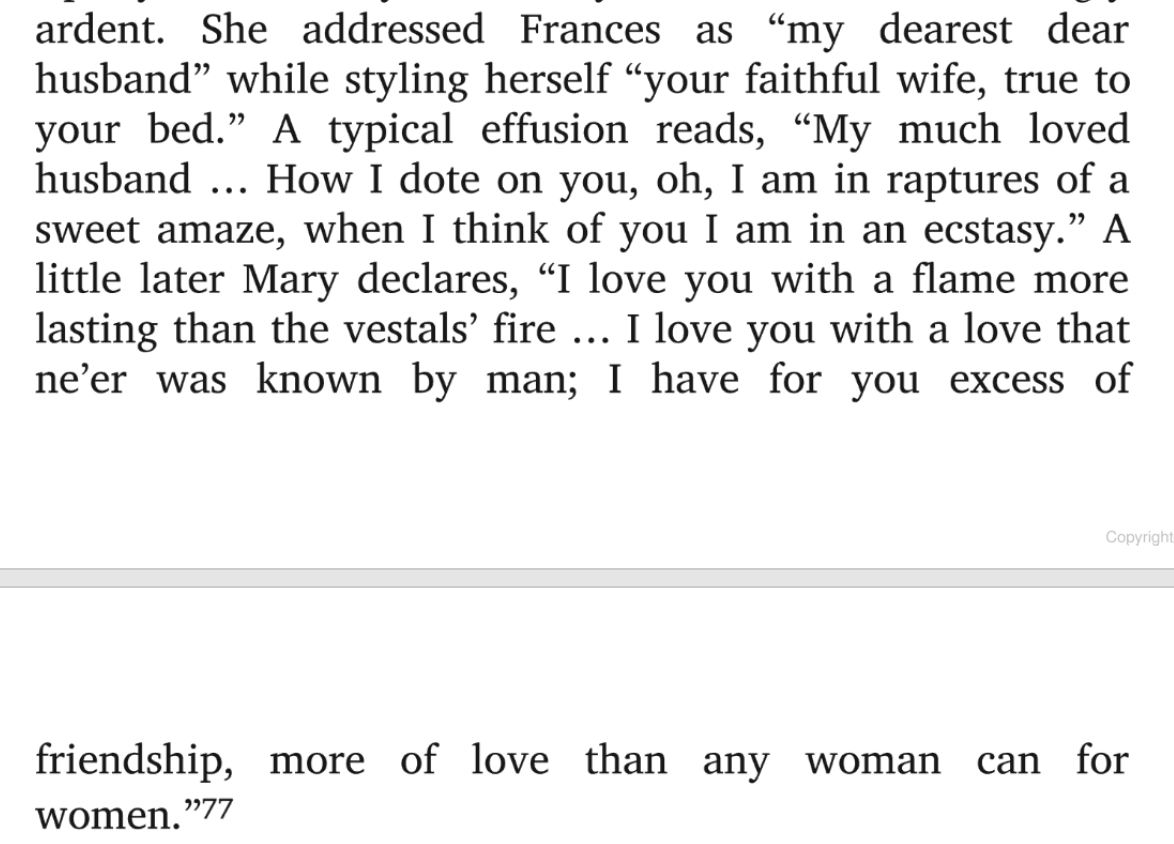
Excerpt from Anne Somerset's biography Queen Anne: The Politics of Passion (2012) Anne Somerset, Queen Anne: The Politics of Passion, 2012 -
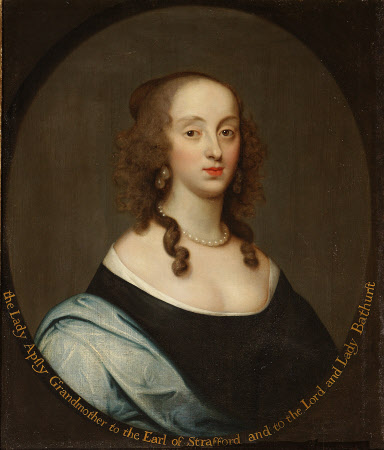
Portrait of Frances Apsley, childhood favorite of both Princess Anne and Princess Mary Portrait of Frances Apsley, public domain -
Anne sent Frances similarly steamy letters, with Anne again adopting a male persona to express thoroughly sexual feelings about Frances. Within a few years however Anne's passion for Frances was replaced by the one that would shape her whole life: Sarah, Duchess of Marlborough.
-
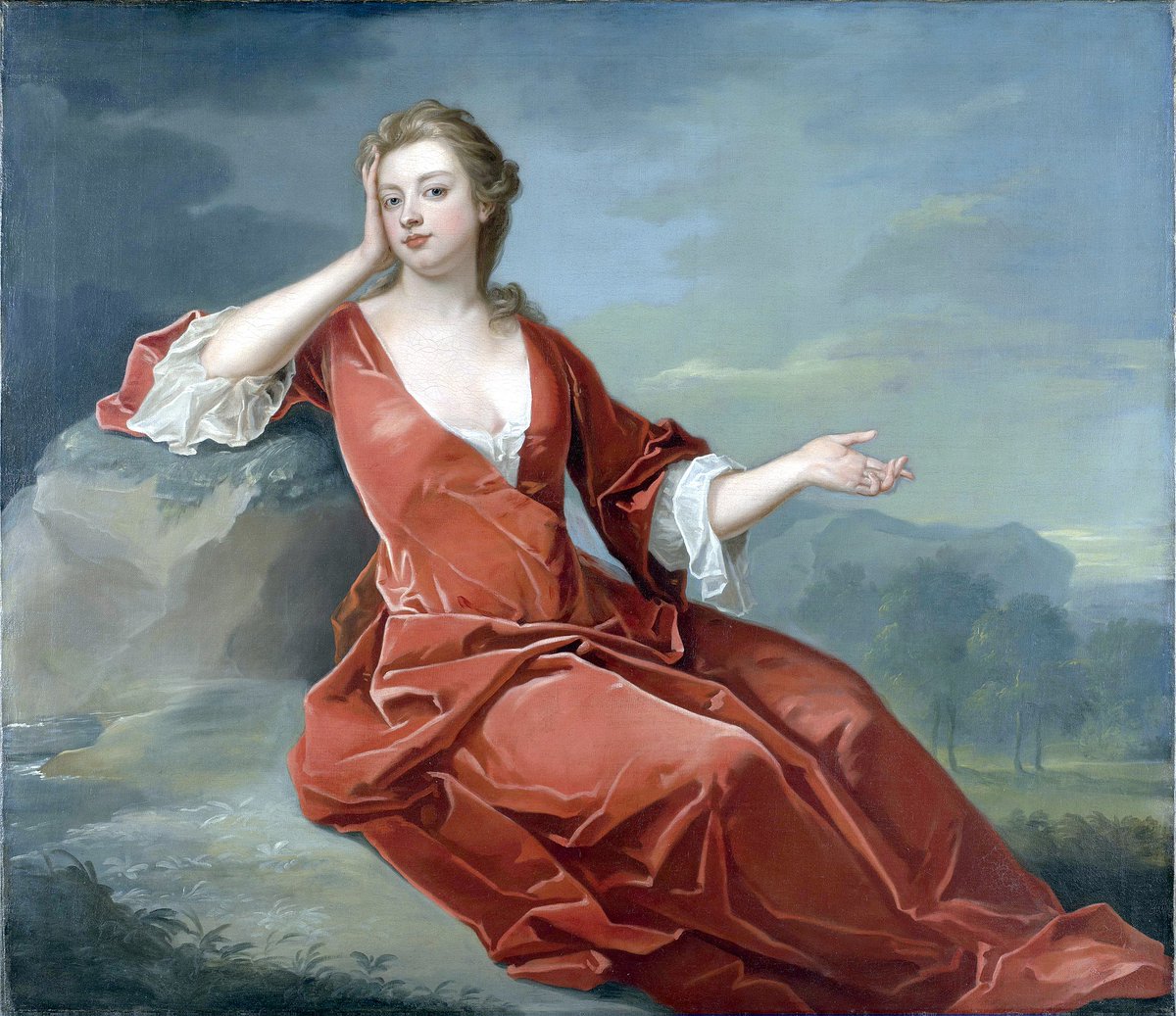
Portrait of Sarah Churchill, Duchess of Marlborough, by Charles Jervas, ca. 1710 Charles Jervas, ca. 1710, public domain -
It is at this point that Anne's biographer breaks in to say that while absolutely everything Anne ever did makes her look like a huge lesbian she cannot possibly have been because "there is much debate ... as to the existence of lesbianism is seventeenth century England". Hell.
-
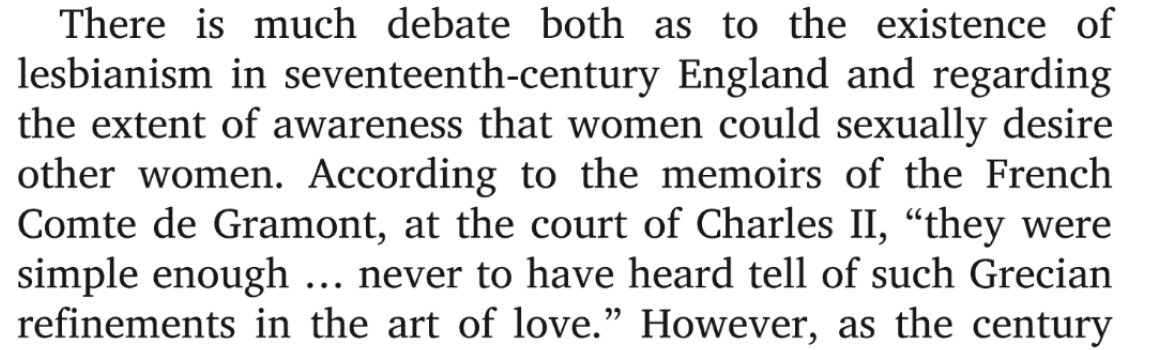
Excerpt from a scholarly work on lesbianism in 17th-century England Screenshot from published academic work -
Anne's biographer, herself the hereditary Lady Anne Somerset and therefore probably cousin to everyone involved, was born in 1955. She probably still considers it impolite to accuse distant family of homosexuality. But look: there was no debate, then or now. Lesbians exist.
-
Anne first met Sarah, five years her senior, when they were both children. They became closer friends over time and when Anne was 18, Sarah was appointed Anne's Lady of the Bedchamber, a prestigious position that also kept them constantly in each other's company.
-
From the start, Sarah's opinion of Anne was low. Sarah considered Anne extremely tedious and lamented in letters to friends having to do all the work to keep conversation going. She kept in favor with Anne, it's clear, primarily to advance the fortunes of herself and her husband.
-
(Sarah's husband, Lord Marlborough, is quite a major historical figure himself. One of the most successful military generals of the era, he amassed fame and fortune and changed the course of European history but is still far less interesting than his wife.)
-
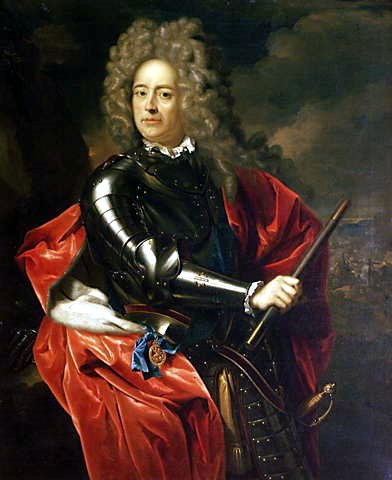
Portrait of John Churchill, 1st Duke of Marlborough, ca. 1702 Portrait of John Churchill, Duke of Marlborough, ca. 1702, public domain -
Anne on the other hand was head over heels in love with Sarah. In letter after letter she declares her undying love and devotion. The emotionally abusive nature of their relationship is evident in how often Anne declares herself dull and unworthy of Sarah's time and attention.
-
Anne was conscious of the huge gulf in status between herself and Sarah, and tried to eliminate this barrier. They gave themselves code names which they used in their letters: Anne was Mrs. Morley, and Sarah Mrs. Freeman. I could quote Anne's letters to Sarah forever.
-
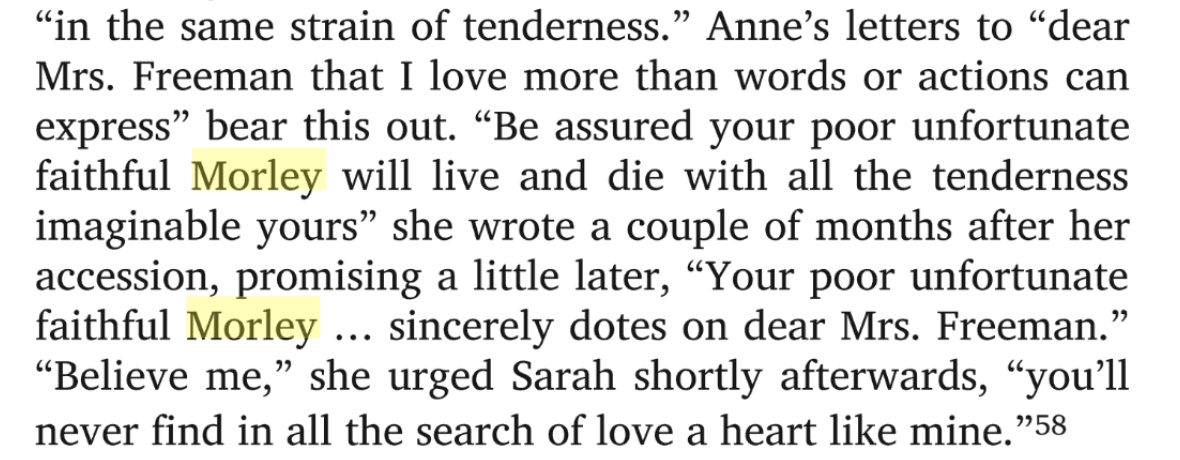
Excerpt from Anne Somerset's biography highlighting Queen Anne's letters to Sarah Churchill, signed "Morley" Anne Somerset, Queen Anne: The Politics of Passion, 2012 -
Anne also showered Sarah and her husband with very tangible tokens of affection. Despite being nominally Anne's servant, Sarah never had to do any work because Anne hired more people to do her job for her. Indeed, for long periods she would not show up at all, to Anne's distress.
-
Anne also granted Sarah and her family enormous sums of money, both as one-off gifts and ongoing salaries for various unspecified services. Being able to access the enormous financial resources of the crown appears to have been one of Anne's chief motivations for claiming it.
-
This one-sided and thoroughly exploitative relationship continued for more than two decades, with the queen bestowing ever greater gifts on the ever less tolerant object of her affections. It was finally ended by the appearance of a new character: Abigail Hill.
-
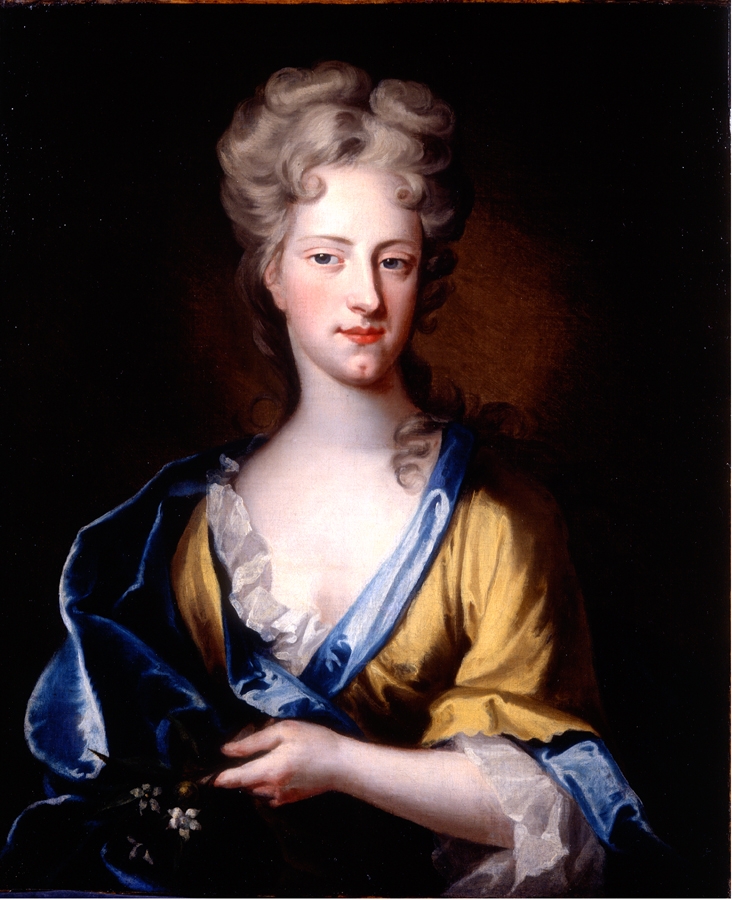
Portrait of Abigail Masham, Queen Anne's later favorite who replaced Sarah Churchill Portrait of Abigail Masham, public domain -
Abigail was in fact Sarah's cousin; Sarah had discovered her uncle had a huge number of secret children who had been living in poverty and decided to rectify the situation. Amongst other gifts, she got Abigail a job as a lady of the bedchamber to Anne.
-
Anne was evidently immediately attracted to Abigail and they spent hours each day alone together. Sarah's jealousy was aroused, and she began at first petulantly and then angrily to attempt to reclaim her hold over the queen's affections. It didn't work; Anne dumped her.
-
Here Anne's biographer butts in *again*, in the face of fierce jealousy, a new romance, and a very messy breakup, all extensively documented in hand-written letters, that "This was a time when the very concept of lesbianism barely featured in people’s consciousness". Okay. Sure.
-
Sarah, now frozen out in favor of Abigail, became unhinged with fury. She began at first to hint and then openly to accuse Anne of lesbianism, threatening to blackmail her with the many, many letters she possessed. Anne for her part made sure her letters were destroyed.
-
Abigail, meanwhile, moved into quarters in the palace at Kensington that had formerly been given to Sarah. Anne also forced Sarah to resign from one of the many highly-paid nonsense jobs she had been given by Anne, who gave it to Abigail instead, amongst many other gifts.
-
Look, I could go on forever with the evidence here, but know this: Queen Anne of England was intensely emotionally and sexually attracted to women her entire life and had absolutely no qualms about acting on these impulses. She was as queer as the day is long.
-
Of course, Anne also had a husband, Prince George. Unlike Mary, Anne never made her husband king, and he was by all accounts an amiable nonentity, entirely amenable to whatever it was his powerful wife wanted. But they were apparently genuinely quite fond of each other.
-
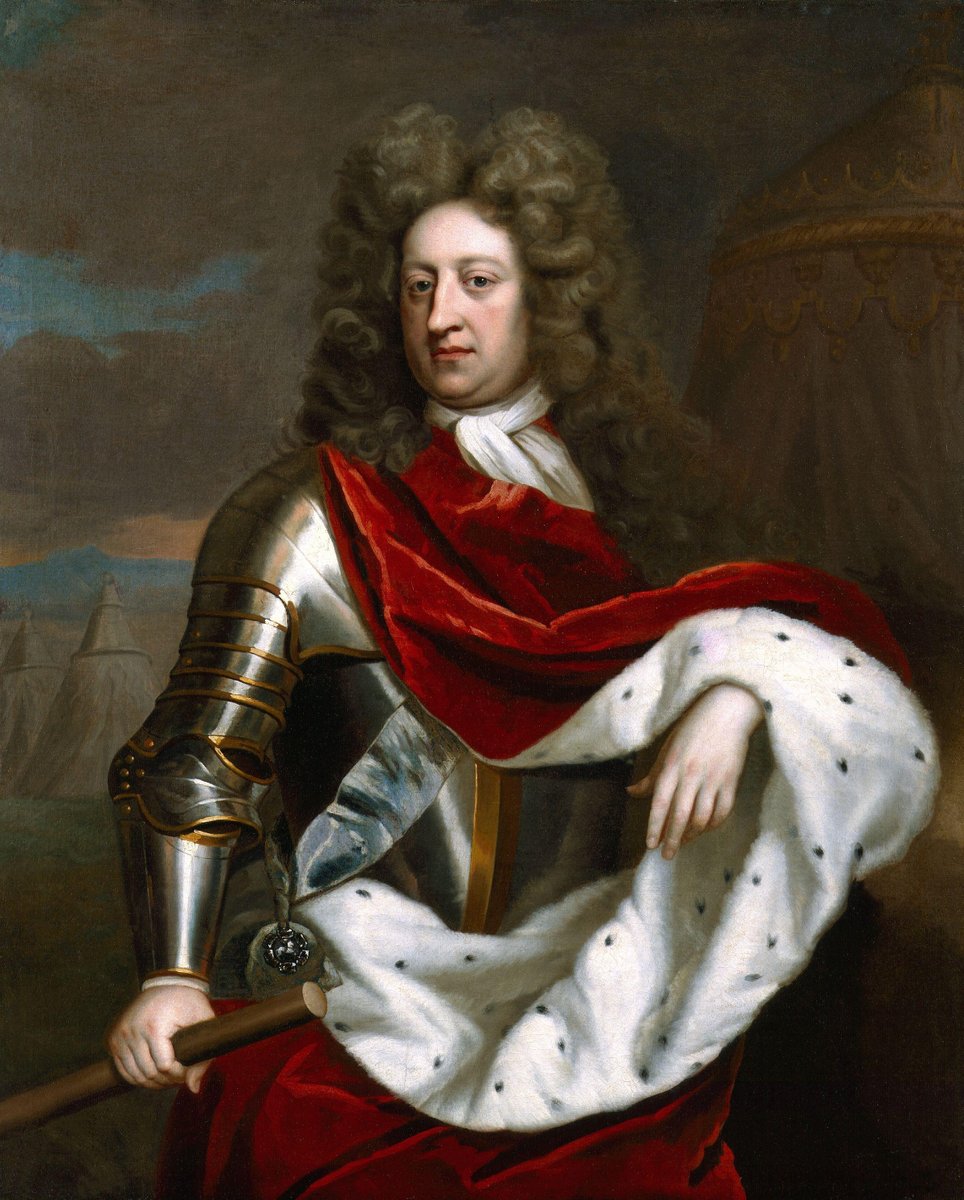
Portrait of Prince George of Denmark, Queen Anne's husband, ca. 1704 Portrait of Prince George of Denmark, ca. 1704, public domain -
The most obvious evidence of affection is the sheer number of times Anne became pregnant. 17 times, more than once with twins, she gave birth to or miscarried 21 children. Of those she carried to term, all but one died in infancy, and he died of a fever aged 11. It was tragic.
-
Despite this evidence of frequent heterosexual intercourse, however, I am going to take the opposite position of most historians and assume Anne is a lesbian. The evidence of her lesbianism vastly outweighs her occasional heterosexual activity, though perhaps she was bisexual.
-
Anne's many miscarriages were probably the result of her own extremely poor health. Her condition, misidentified as gout, was attributed to her copious appetite and weight gain, but to modern eyes her diet was probably self-medication in response to her unrelated, chronic pain.
-
Her physical health was terrible and made her miserable. Her chronic pain rendered her unable to walk unassisted by middle age, so she was carried everywhere, and she was sometimes debilitated by acute pain in her legs, chest and head. No treatments were available.
-
So apart from the endless pregnancies and the copious lesbianism, what was her reign like? A couple of notable things happened. The first was the birth of political parties: Whigs and Tories first came into existence during Anne's reign.
-
Tories were, simplifying egregiously, in favor of royal authority in general while the Whigs favored parliament having supreme power. Anne liked being in charge, so favored Tories, but they also favored the succession of her brother, so she also worked with Whigs.
-
The other big thing that happened was that Scotland and England were permanently united into Great Britain. While this happened in Anne's reign and she was definitely in favor of it happening, it was mostly the result of political negotiations of which she had no part.
-
Anne's legacy as a female monarch has been downplayed by sexist historians. She was forceful, effective and got what she wanted, but on the other hand what she wanted was pretty much to maintain the status quo and not change things very much, which is what happened.
-
She was relatively popular during her reign. Her subjects openly would have preferred a male monarch, but at least one noted she "possesses a masculine spirit beneath the softer body of a woman" which I guess is 17th century for "she was pretty butch, which is close enough".
-
Anne's real legacy as far as I'm concerned and is probably clear from this thread is to be the most comically over-the-top horny sapphic monarch in history. She was just so, so gay, and despite terrible health and religious disapproval she got exactly what she wanted.
-
P.S. Even though this thread was absurdly long there were a ton of wild facts about Anne I left out. For instance: at one point in an attempt to improve her fertility she was put on an "iron diet", which was literally eating iron filings.
-
P.P.S. Another one: at the peak of their relationship, Anne had a small portrait of Sarah that she carried with her at all times and looked at constantly, she was just so so gay.
-
P.P.P.S. I really want to meet Anne's biographer face to face and question her in re: lesbians, the existence of. And if she thinks they weren't around in the 17th century when does she think lesbians were invented?
-
P.P.P.P.S. Sarah and her husband lord Marlborough also had a last name: "Churchill". Seven generations down the line, their descendants would have a kid called Winston, who had a small role in World War 2. We'll be covering him later.
- Previously: Maria Sibylla Merian
- Next: Peter the Great
- Full list
Text and images copyright © 2020-2023 Laurie Voss
except where indicated
except where indicated